Skip to content
Resurface Your Asphalt Instead of Starting Over
Asphalt overlay, milling, and resurfacing for driveways and parking lots across Northern and Central Indiana. A cost-effective way to extend the life of your pavement.



When spring hits and the damage shows, property owners across Indiana start looking for a crew they can trust. Based out of Rochester, we’ve built our reputation on showing up, doing the work right, & standing behind every square foot we touch.
Full-Service Asphalt Solutions for Every Job
Residential Driveway Paving
New installations, replacements, and blacktop driveways built to handle Indiana weather.
Asphalt Resurfacing
Overlays, milling, and resurfacing to restore worn pavement without a full replacement.
Sealcoating
Professional-grade sealcoating for driveways and parking lots — the best way to protect your asphalt investment.
Asphalt Repair & Maintenance
Pothole patching, crack filling, crack sealing, and preventive maintenance to extend the life of your pavement.
Commercial Parking Lot Paving
Pothole patching, crack filling, crack sealing, and preventive maintenance to extend the life of your pavement.
Municipal Paving
Paving
New installations, replacements, and blacktop driveways built to handle Indiana weather.
Line Striping & ADA Compliance
New installations, replacements, and blacktop driveways built to handle Indiana weather.
Grading, Drainage & Excavation
Site prep, land grading, drainage solutions, and excavation — the foundation every paving project needs.
Concrete Services
Services
Driveways, sidewalks, patios, curbing, and slabs — quality flatwork alongside our asphalt services.
Specialty
Paving
Paving
Sport courts, RV pads, private roads, and custom projects for residential and commercial properties.
Farm & Agricultural Paving
Barn pads, grain bin pads, farm lanes, feedlot surfaces, and rural property paving built for heavy use.
Gravel-to-Asphalt Conversion
Asphalt Conversion
Tired of your gravel driveway? We handle the full upgrade — grading, base prep, and a smooth new asphalt surface
Residential Driveway Paving
New installations, replacements, and blacktop driveways built to handle Indiana weather.
Asphalt Resurfacing
Overlays, milling, and resurfacing to restore worn pavement without a full replacement.
Sealcoating
Professional-grade sealcoating for driveways and parking lots — the best way to protect your asphalt investment.
Asphalt Repair & Maintenance
Pothole patching, crack filling, crack sealing, and preventive maintenance to extend the life of your pavement.
Commercial Parking Lot Paving
Pothole patching, crack filling, crack sealing, and preventive maintenance to extend the life of your pavement.
Municipal Paving
New installations, replacements, and blacktop driveways built to handle Indiana weather.
Line Striping & ADA Compliance
New installations, replacements, and blacktop driveways built to handle Indiana weather.
Grading, Drainage & Excavation
Site prep, land grading, drainage solutions, and excavation — the foundation every paving project needs.
Concrete Services
Driveways, sidewalks, patios, curbing, and slabs — quality flatwork alongside our asphalt services.
Specialty
Paving
Paving
Sport courts, RV pads, private roads, and custom projects for residential and commercial properties.
Farm & Agricultural Paving
Barn pads, grain bin pads, farm lanes, feedlot surfaces, and rural property paving built for heavy use.
Gravel-to-Asphalt Conversion
Tired of your gravel driveway? We handle the full upgrade — grading, base prep, and a smooth new asphalt surface
Schedule Online
A New Surface Without Tearing Everything Out
Not every worn-out driveway or parking lot needs a full replacement. If the base underneath is still solid, resurfacing can give you a fresh surface at a fraction of the cost. Asphalt resurfacing (also called an overlay) involves laying a new layer of hot-mix asphalt directly over the existing pavement. When the conditions are right, it’s one of the smartest investments a property owner can make.
Brooks Brothers Driveways handles resurfacing and overlay work for homeowners, businesses, and municipalities across Northern and Central Indiana. We also provide asphalt milling, which removes the top layer of damaged pavement to create a clean, level surface before the new asphalt goes down. When you call, you talk directly with the owner. He’ll walk your property, evaluate the existing surface, and tell you honestly whether resurfacing makes sense or whether you need a more extensive repair.
A properly installed asphalt overlay typically lasts 10 to 15 years with routine maintenance. For property owners who want to restore their surface without the cost and disruption of a full tear-out, resurfacing is often the right call.
Built on Integrity,
Backed by Results

3rd Generation Paving Family
Over 20 years of combined family experience in asphalt — this isn’t a side hustle, it’s our legacy.
Owner On Every Jobsite
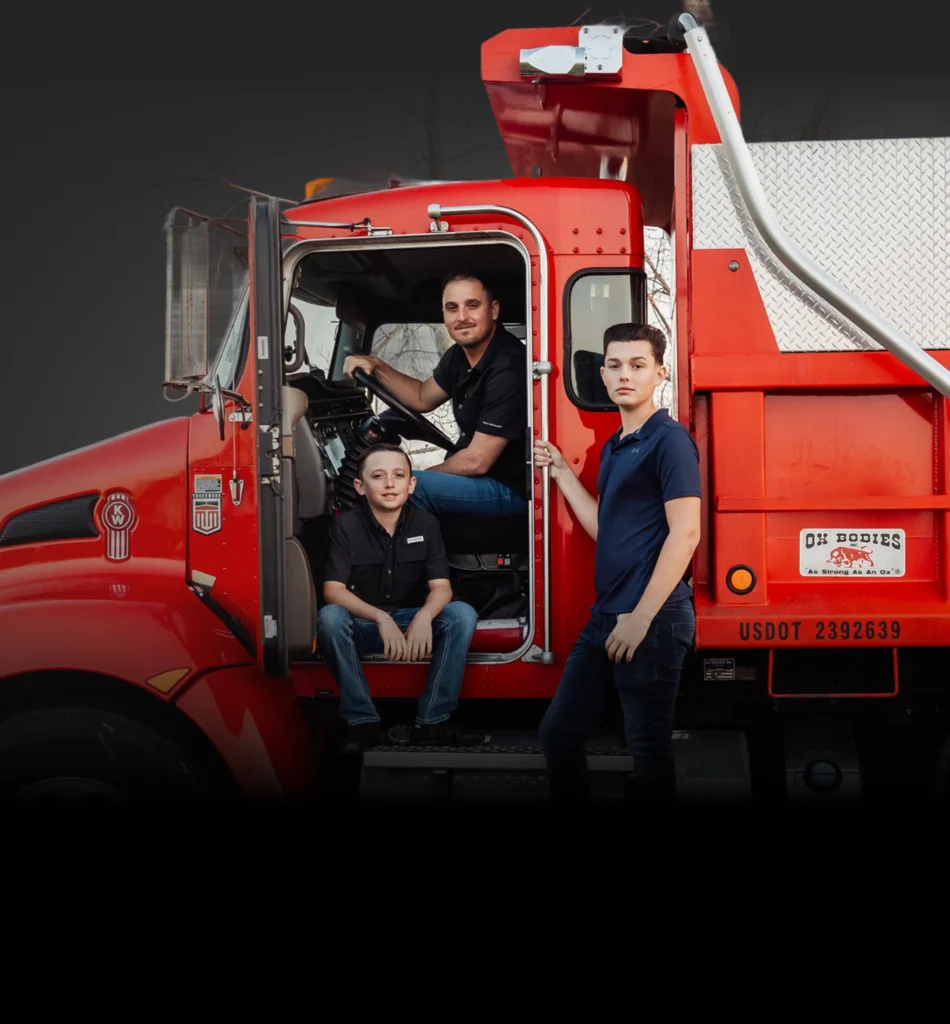
When you call Brooks Brothers, you talk directly with Levi. And he’s on site for every project.

100% Satisfaction Guarantee
Every job backed by our satisfaction guarantee and a one-year warranty on new paving work.

Licensed, Bonded & Insured
Full coverage and CDL-certified crews. Your property is in safe, qualified hands.
3rd Generation Paving Family
Over 20 years of combined family experience in asphalt — this isn’t a side hustle, it’s our legacy.
Owner On Every Jobsite
When you call Brooks Brothers, you talk directly with Levi. And he’s on site for every project.
100% Satisfaction Guarantee
Every job backed by our satisfaction guarantee and a one-year warranty on new paving work.
Licensed, Bonded & Insured
Full coverage and CDL-certified crews. Your property is in safe, qualified hands.
Signs Your Pavement Is Ready for Resurfacing
Surface Cracking
Without Base Failure
Scattered surface cracks that haven’t reached the base layer are a strong sign that resurfacing will work. If the cracks are limited to the top inch or two and the pavement underneath feels solid when you walk on it, an overlay can seal everything up and add years of life.
Rough or Uneven Surface Texture
Over time, asphalt loses its smooth finish and develops a rough, pebbly texture called raveling. This happens as the binder wears away and loose aggregate starts separating from the surface. Resurfacing covers the damaged layer and restores a smooth, even finish.
Fading From
Black to Gray
A driveway or lot that has faded to gray has lost most of its protective oils to UV exposure and weather. While sealcoating can help early on, a heavily oxidized surface often benefits more from a full overlay that resets the clock on the pavement’s condition.
Minor Drainage
Issues at the Surface
Small areas where water sits briefly after rain may be correctable with milling and overlay. By removing the high spots and adding material to the low spots, we can improve the surface grade without rebuilding the entire base.
Your Asphalt Is
12 to 20 Years Old
This is the window where resurfacing typically makes the most sense. The surface shows wear, but the base hasn’t failed yet. Waiting too long allows damage to reach the subbase, which means overlay is no longer an option and full replacement becomes necessary.
You Want to Avoid the
Cost of Full Replacement
Resurfacing typically costs 30% to 50% less than a complete tear-out and repave. If your base is in good shape and you’re looking to extend the life of your investment without a major project, an overlay is worth evaluating.
Types of Resurfacing Work We Handle
Standard Asphalt Overlay
A new layer of hot-mix asphalt applied directly over the existing surface. Standard overlays are typically 1.5 to 2 inches thick and work best on driveways and lots with minor surface damage and a sound base. This is the most common resurfacing method we use for residential work.
Mill and
Overlay
Milling removes the top 1 to 2 inches of damaged asphalt before the new layer is applied. This creates a clean bonding surface, corrects minor grade issues, and keeps the finished height close to its original level. Mill and overlay is the standard for parking lots and any surface where maintaining elevation matters.
Driveway Resurfacing
For homeowners with an aging driveway that still has a solid base, resurfacing brings back the look and performance of new pavement. We handle single-car pads, double-wide driveways, long rural lanes, and everything in between.
Parking Lot Resurfacing
Commercial lots take heavy traffic and wear down faster than residential surfaces. We resurface parking lots for businesses, churches, apartment complexes, and HOAs across our service area. Milling is almost always recommended for lot work to maintain proper drainage and clearance at curbs and buildings.
Benefits of Resurfacing Over Full Replacement
Significant Cost Savings
Resurfacing eliminates the expense of demolition, hauling, and base reconstruction. You get a new driving surface at a fraction of what a full tear-out would cost, and the money you save can go toward sealcoating or other maintenance that extends the life of the new surface.
Faster Project Turnaround
Most driveway overlays are completed in a single day. Parking lot resurfacing projects can often be phased so sections of the lot stay open during the work. Either way, you’re looking at significantly less downtime than a full reconstruction.
Extended Pavement Life
A well-installed overlay adds 10 to 15 years of usable life to an existing surface. Combined with regular sealcoating every few years, that’s a meaningful return on a relatively modest investment.
Improved Appearance and Curb Appeal
A resurfaced driveway or parking lot looks like new pavement. The fresh, dark finish restores curb appeal for homes and gives commercial properties a well-maintained, professional appearance that customers and tenants notice.
Less Disruption to Your Property
Because resurfacing works with the existing base, there’s no heavy excavation tearing up your yard, landscaping, or lot. The crew comes in, prepares the surface, lays the new asphalt, and the job is done with minimal impact on your property.
What Resurfacing Includes
Every resurfacing project starts the same way: Levi visits your property, inspects the existing pavement, and determines whether your base can support an overlay. Not every surface qualifies. If the base has failed or the damage runs too deep, we’ll tell you upfront and recommend the right solution instead.
For projects that qualify, here’s the process. If milling is needed, our crew removes the specified depth of damaged asphalt and sweeps the surface clean. We apply a tack coat to bond the new layer to the old, then lay fresh hot-mix asphalt at the proper thickness (typically 1.5 to 2 inches for standard applications). The crew compacts the new surface, finishes the edges, and verifies that drainage flows the right direction.
After the job is complete, we go over timing for when you can drive on the new surface and what to expect during the first few weeks of curing. Your resurfacing work is backed by our one-year warranty and 100% satisfaction guarantee.
Related Services
If resurfacing won't do the job, we handle full driveway replacement from base prep to final paving.
Protect your new overlay with a professional sealcoat. Extends pavement life and keeps the surface looking fresh.
Crack filling, pothole patching, and spot repairs for surfaces that need targeted fixes rather than a full overlay.
Full parking lot construction and replacement for commercial properties, churches, apartments, and HOAs.
Don't Take Our Word for It




Nick Bro
Brooks Brothers paved my driveway this summer. They were very professional & did a great job!


Robbie Harrison
Great workers they do excellent work

Jamie B
We had Brooks brothers asphalt our driveway they was great to do business with and done a above and beyond job I would highly recommend doing business with them !

Tiffany Ryan
The crew did a great job! Levi was very responsive and professional. Our drive looks much better!

Melinda Bradley
Levi and his crew did a great job adding new asphalt to my driveway. They were very professional and they cleaned up all the excess product that dropped on the street and did a great job on the driveway. I highly recommend them and their price was very fair.

Teresa Palm
Called Brooks Brother’s Paving, came out same evening and gave a quote, as I had a gravel driveway, they were out next morning and grated , rolled etc and arrived 2 days later and paved the driveway, Levi and his team of very knowledgeable employees finished the driveway in a day.. What an awesome job they did. Will definitely be referring them to whomever is looking for a new driveway, Will be having them seal driveway in the future. Did I mention how polite they all were.. 😊
Tips & Advice for Northern Indiana Property Owners
Asphalt Resurfacing Questions
What's the difference between resurfacing and replacement?
Resurfacing adds a new layer of asphalt over the existing surface. Replacement removes everything down to the subbase and rebuilds from the ground up. Resurfacing works when the base is still solid. Replacement is needed when the base has failed.
How do I know if my driveway qualifies for resurfacing?
The best way to find out is a site visit. We look at the type and extent of the cracking, test the firmness of the base, and check drainage. If the damage is limited to the surface and the base is stable, resurfacing is usually an option.
How long does an asphalt overlay last?
With proper installation and regular maintenance, an overlay typically lasts 10 to 15 years. That lifespan depends on the condition of the base, the thickness of the new layer, and how well the surface is maintained with sealcoating and crack repairs.
What is asphalt milling?
Milling is the process of grinding off the top layer of existing asphalt using specialized equipment. It creates a level, clean surface for the new overlay to bond to. Milling is especially important for parking lots where maintaining elevation at curbs, buildings, and drains is critical.
How much does resurfacing cost compared to replacement?
Resurfacing typically costs 30% to 50% less than a full replacement since there’s no demolition, hauling, or base reconstruction involved. We provide a written estimate after evaluating your specific project. Call (574) 377-1971 for a free estimate.
Proudly Serving Northern & Central Indiana